

April 9, 2025
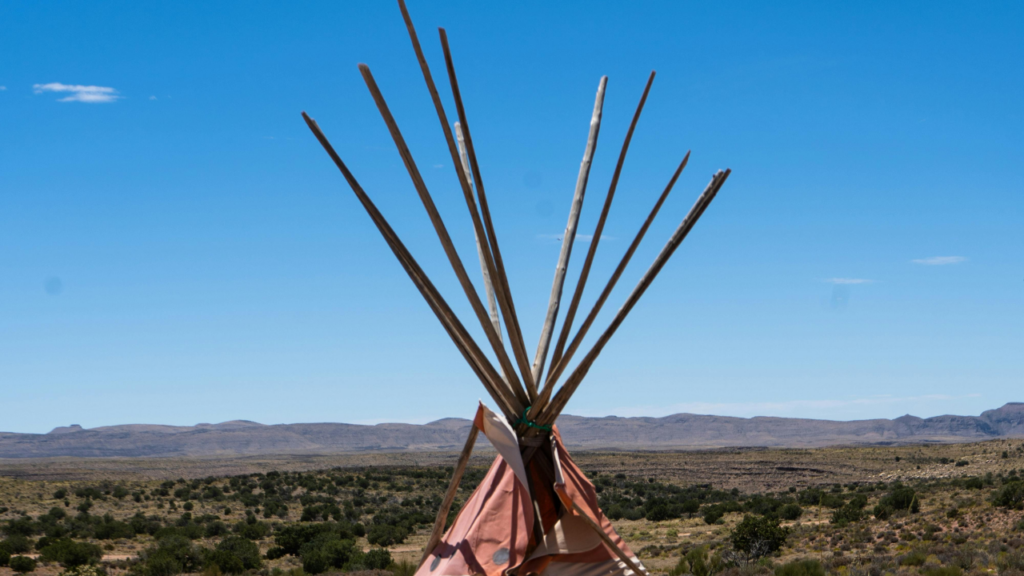
Recovery from addiction requires an approach that acknowledges the whole person—including their cultural identity and heritage. For members of Oklahoma’s tribal nations, effective treatment often incorporates cultural understanding alongside evidence-based clinical practices.
Oklahoma is home to 39 federally recognized tribal nations, each with unique customs, values, and approaches to wellness. This diversity means that addiction recovery services must be flexible and responsive to the specific cultural needs of individuals seeking help.
The Importance of Culturally Informed Care
Culturally informed care recognizes that recovery occurs within a social and cultural context. For many tribal members, effective treatment involves not just addressing substance use but also reconnecting with cultural identity and values that promote wellness and resilience.
Evidence-based treatment programs acknowledge the historical context of substance use in tribal communities, including the impact of trauma. By integrating cultural understanding with proven clinical methods, recovery programs can address both the symptoms of addiction and underlying factors.
Available Resources for Tribal Members
Many tribal nations in Oklahoma offer their own substance use treatment programs that integrate cultural aspects with evidence-based care. These may include:
- Tribal-operated treatment centers and wellness programs
- Community-based recovery support groups
- Cultural mentorship and education programs
- Mental health services that address trauma
Additionally, several tribal nations have established partnerships with non-tribal treatment providers committed to delivering culturally responsive care based on clinical best practices.
Navigating Treatment Options
For tribal members seeking addiction treatment, there are several pathways to access care:
Through Tribal Health Services
Many tribal nations provide direct referrals to treatment through their health departments or behavioral health programs. These services may be available at no cost to enrolled tribal members through Indian Health Service funding or tribal health programs.
Through Non-Tribal Providers with Cultural Competence
Some non-tribal treatment centers, including Great Plains Recovery Center, have developed specific programs and approaches for working effectively with tribal members. These providers recognize the importance of cultural identity in the recovery process and work to incorporate respect for cultural values within evidence-based treatment models.
Through Coordinated Care Approaches
Increasingly, tribal and non-tribal providers are working together to create coordinated care approaches that allow tribal members to benefit from both clinical expertise and culturally informed support in their recovery journey.
The Role of Cultural Identity in Recovery
Reconnecting with cultural identity can be a powerful factor in sustainable recovery. Many tribal members find strength in:
- Community connections that provide support and accountability
- Cultural teachings that provide guidance for healthy living
- Family and community relationships that nurture hope and purpose
- Cultural identities that provide a sense of belonging and meaning
Recovery programs that respectfully incorporate these cultural elements while delivering evidence-based clinical care often see better outcomes for tribal members than those that rely solely on generic approaches.
Finding Treatment That Respects Your Cultural Heritage
If you or a loved one from one of Oklahoma’s tribal nations is seeking addiction treatment, it’s important to find care that respects and incorporates your cultural identity and needs while providing effective clinical support.
Great Plains Recovery Center understands the importance of culturally responsive care and works with tribal members to develop treatment approaches that honor their heritage while providing effective, evidence-based support.
For more information about treatment options that respect your cultural needs and preferences, contact Great Plains Recovery Center at 844-918-3518. Our team is committed to working with tribal members and their families to find recovery pathways that honor cultural identity while utilizing proven treatment approaches.